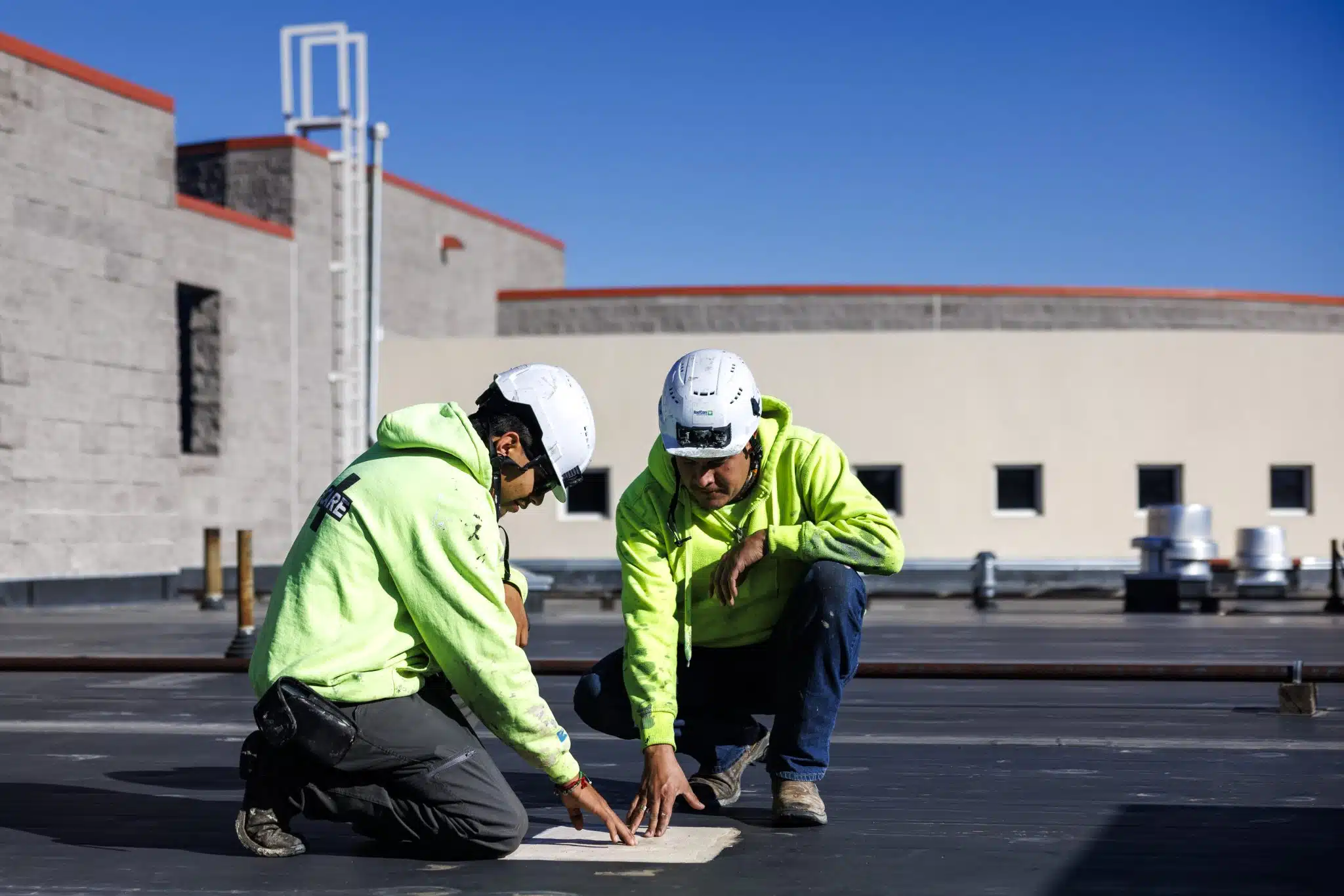

We track multi-manufacturer warranty portfolios for Raleigh building owners - maintenance documentation requirements, inspection deadlines, and warranty desk submissions - across the full life of every warranty your roofs carry.
A 20-year no-dollar-limit manufacturer warranty on a commercial roof is worth exactly what the maintenance documentation behind it can support. GAF, Carlisle, Johns Manville, Sika Sarnafil, Versico, and Firestone all require annual or semi-annual documented inspection and maintenance to keep an NDL warranty active. The inspection has to be performed by a credentialed applicator. Results go to the manufacturer's warranty desk on a specific form, within a specific window. Miss the window and the warranty lapses - sometimes quietly, without notification until you file a claim after a hurricane remnant event or a severe summer storm.
Across a Raleigh multi-building portfolio, these requirements compound quickly. An owner managing eight properties across Wake County - Downtown office buildings, North Hills Class A commercial, a Centennial Campus research facility, a warehouse along the I-40 western corridor - might carry ten to sixteen active manufacturer warranties with different manufacturers, different issue dates, different maintenance windows, and different inspection forms. Missing a single reporting cycle can void a warranty that cost $15,000 to $25,000 in premium at closeout. Reinstating it requires a full manufacturer re-inspection and often a remediation scope before the warranty desk will consider re-issuance.
The Triangle's climate adds urgency to this management. Hurricane Helene's remnant moisture in 2024 and Hurricane Florence in 2018 each generated warranty claims at scale across Wake County commercial buildings - and a significant number of those claims were challenged or denied because the maintenance documentation record was incomplete. An active warranty with a gap in the maintenance record is not a usable warranty in a storm-damage claim dispute. We manage these portfolios so the record stays current and defensible.
What We Track in a Raleigh Warranty Portfolio
For each active warranty in a Raleigh portfolio, the record includes: original warranty document and registration number, warranty issue date and expiration date, manufacturer's required maintenance frequency and submission form, the credentialed applicator requirement, the maintenance submission deadline and confirmation of each submission received by the manufacturer's warranty desk, any open punch items from prior manufacturer inspections, and the specific contact at each manufacturer's regional warranty field team covering the Raleigh-Durham territory.
We schedule inspection and reporting deadlines on a 90-60-30 day advance notification cadence. For Triangle portfolios, we coordinate the inspection schedule around the two climate windows that generate the most maintenance findings and the highest claim risk: the late spring period from April through June, when convective storm events probe seams and flashings that survived the winter, and the late summer period from August through October, when hurricane remnant moisture events move through the Carolina Piedmont. Documenting maintenance visits inside these windows - before a storm event, not after - is the difference between a supported warranty claim and a disputed one.
Portfolio owners receive a quarterly summary showing every active warranty, current status, next required action, and any open findings. The summary is formatted for capital planning use: it identifies which warranties are approaching manufacturer-defined extension-eligible windows, which are on watch for maintenance gaps, and which buildings carry warranties within five years of expiration where the capital planning conversation should begin. For REIT asset managers overseeing multiple Raleigh office buildings, this summary functions as the warranty section of the annual asset management report.
Raleigh Climate and Manufacturer Warranty Inspections
Every major manufacturer runs its own field inspection program, and the inspection criteria differ in meaningful ways across manufacturers. GAF's regional inspection team, Carlisle's factory representative network, and Johns Manville's certified applicator program each assess flashing details and seam integrity by their own criteria. The conditions that generate the most manufacturer punch-list findings on Triangle commercial buildings are specific to the region: drain loading from the Triangle's high-rainfall events, seam stress at rooftop HVAC curbs on the mechanically dense buildings common in Research Triangle Park and Centennial Campus, and parapet flashing failures at the masonry parapets on older Downtown and Glenwood South office buildings that move seasonally in the hot-humid subtropical climate.
We document these conditions proactively during maintenance visits so the owner has a defensible record if a manufacturer inspector finds one of them and attempts to cite a maintenance deficiency. When a manufacturer inspection produces a punch list, we scope the remediation, complete the work, and submit the completion documentation to the warranty desk within the required cure window. Punch items that sit open past the manufacturer's required cure period generate warranty suspension notices - preventable with a maintenance record that leads the inspection rather than chasing it.
For Raleigh buildings that received water intrusion during the 2024 Helene remnant event or the 2018 Florence event without a comprehensive post-storm inspection, we build an initial documentation package that re-establishes the warranty baseline before the next scheduled manufacturer inspection. Starting from an undocumented post-storm condition baseline is a warranty-dispute liability; we close that gap before it becomes a problem.
Warranty Extensions and Renewals for Triangle Buildings
Several major manufacturers offer warranty extension programs at the 10-year mark. Carlisle's extended warranty endorsement, GAF's System Plus extension program, and Johns Manville's renewal program each require a manufacturer field inspection, a clean maintenance record for the prior term, and a remediation scope for any conditions the manufacturer identifies at inspection. The extension premium is a fraction of what the coverage would cost through a new roof installation - and it is only available if the maintenance record is complete.
We identify extension-eligible Raleigh roofs 18 months before the extension Owners who miss the extension window on a 10-year-old roof lose extension eligibility entirely - the next option is full replacement. We track these windows so they are never missed in a portfolio we manage.
Frequently asked questions
What happens if we miss a required maintenance submission window for a Raleigh building?
It depends on the manufacturer. Some issue a cure notice giving the owner 30 to 90 days to document and submit the deferred maintenance before the warranty is suspended. Others treat a missed window as an immediate lapse. We have navigated both scenarios with manufacturer warranty desks - including in the aftermath of the Helene remnant event when multiple Raleigh owners needed rapid documentation support. Catching a missed window before the manufacturer's next inspection visit is always better than responding to a suspension notice.
Can you take over warranty management on a roof you did not install?
Yes, but it requires a manufacturer inspection to document current condition as the new baseline. The manufacturer needs to know what they are warrantying going forward. We do this for Raleigh owners who acquired buildings with active warranties and need a credentialed contractor to carry the maintenance obligation under the existing warranty document - common in the current acquisition activity along the North Hills and Downtown Raleigh Class A corridors.
How does the Triangle climate affect warranty maintenance frequency?
The Raleigh-Durham market's hurricane remnant rainfall exposure and summer convective storm pattern produce more annual water-loading events than most inland markets. We recommend semi-annual inspection cadence for any Raleigh building with a parapet-heavy profile, active rooftop HVAC load, or a warranty with more than 10 years remaining - because a single annual inspection can miss conditions that develop between March and October in this climate.
Do you coordinate with manufacturer regional representatives for the Raleigh territory?
Yes. We maintain active working relationships with manufacturer field representatives covering the Raleigh-Durham territory for the manufacturers we install and maintain. For warranty extension engagements and post-storm warranty support, those relationships accelerate the process compared to going through a manufacturer's national call center.