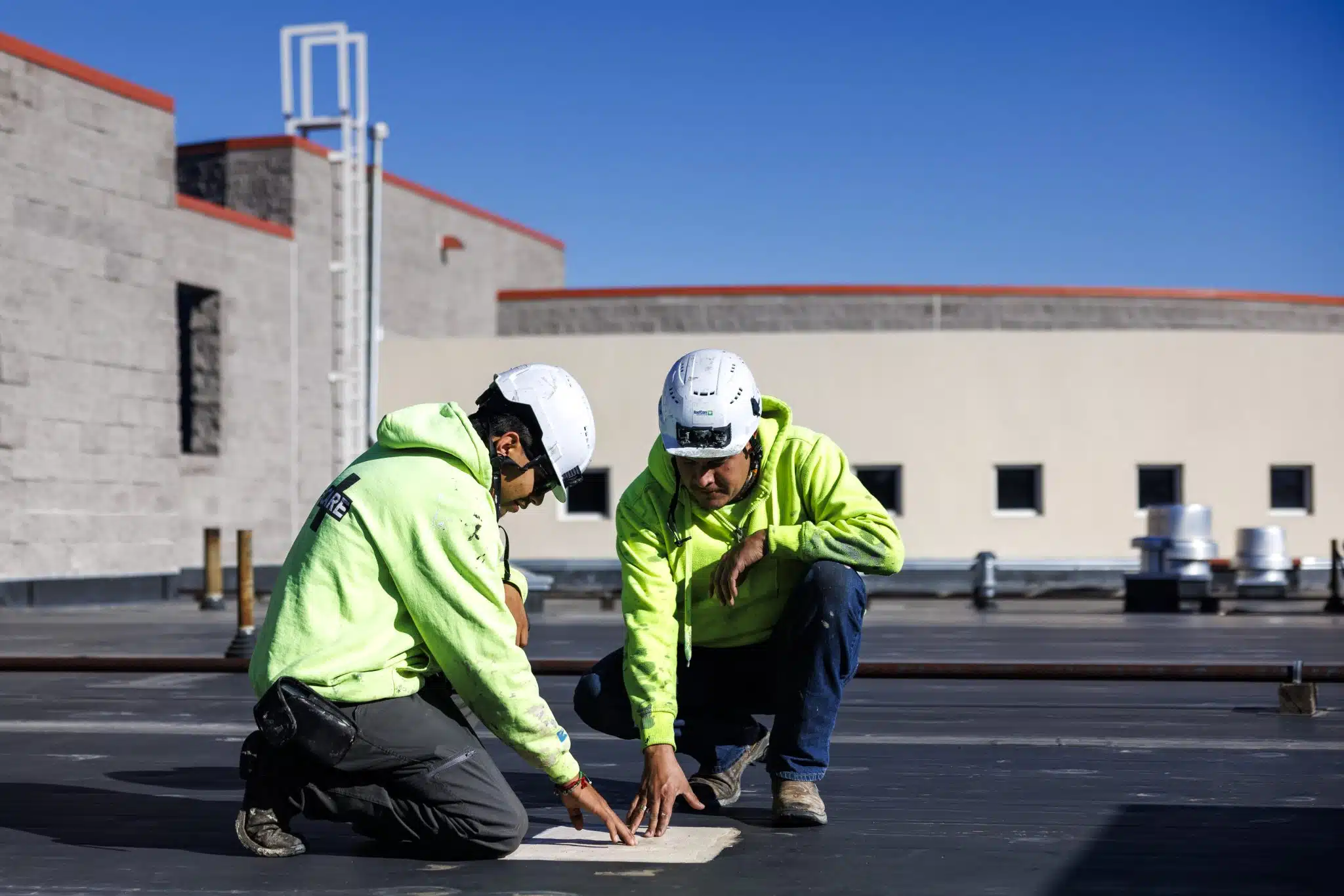
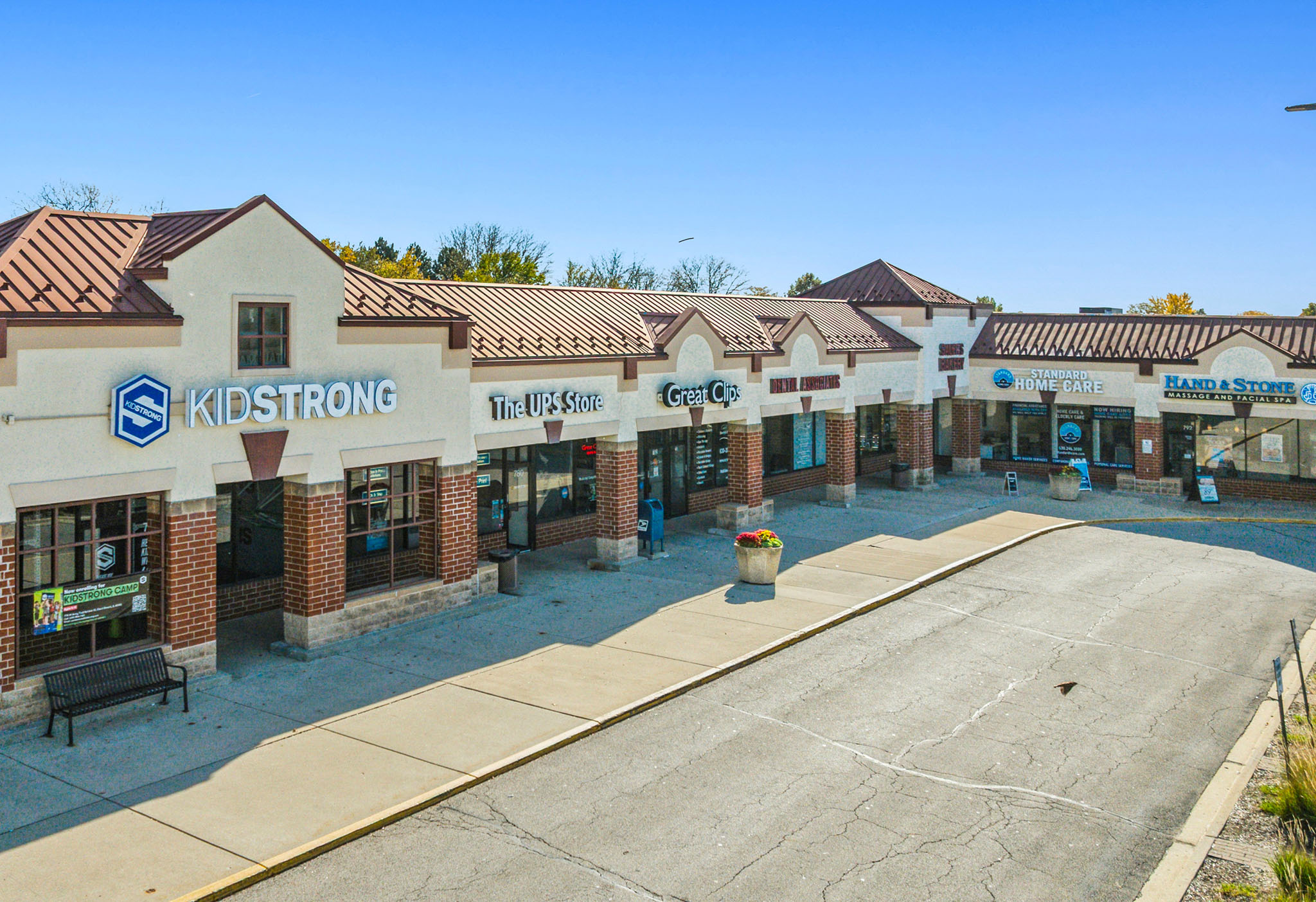
Roof replacement, repair, and maintenance for regional malls, power centers, and lifestyle retail across Raleigh - Crabtree Valley, North Hills, Brier Creek Commons - scoped to minimize shopper and tenant disruption on active properties.
Retail roofing in Raleigh is a logistics problem first and a technical problem second. Crabtree Valley Mall on Crabtree Valley Avenue has 1.3 million square feet of retail space under a single roof system - if you close that for roof work the way you would close an industrial facility, you lose the tenants and the center's revenue for the production period. North Hills' mixed-use retail blocks around the Six Forks Road and I-440 interchange are the opposite problem: small footprint, high visibility, and shopper traffic that begins at 10 AM and does not stop until 9 PM.
I scope retail roof work around the center's operations, not around my crew's preferred production schedule. For large regional centers like Crabtree Valley, that means night-shift tear-off, early-morning dry-in verification before the center opens, and staging zones that do not reduce parking below the center's minimum operating requirements. For lifestyle centers like North Hills and Brier Creek Commons, it means routing material deliveries before peak traffic hours and keeping the active work zone's perimeter managed to avoid any impact on ground-level retail storefronts.
The Streets at Southpoint in Durham is technically just outside Wake County, but it functions as an anchor for the South Durham and Chapel Hill retail market in a way that makes it part of the Triangle retail ecosystem we work in regularly. Southpoint's roofscape has the same complexity as Crabtree Valley - a regional mall with a significant food court heat load, multiple HVAC penthouses, and anchor tenant roof sections that carry separate warranty documentation requirements.
Regional Mall Roofing - Crabtree Valley and Southpoint
Regional malls in the Raleigh-Durham market carry roof systems that are typically more complex than their square footage suggests. Crabtree Valley Mall's roof includes food court sections with high heat and grease exhaust exposure, skylight assemblies and mall interior glazing systems that create flashing interface challenges, anchor tenant sections - Macy's, JCPenney - that carry their own national tenant roofing specifications and independent warranty structures, and service corridor roofs over the mall's receiving and utility infrastructure.
For a project at a regional mall, the pre-construction phase is longer than for a comparable-square-footage industrial building. We map every anchor tenant's warranty status and specification requirements, identify which sections require national tenant-specified contractors or manufacturers, and develop a production plan that sequences work to avoid simultaneous disruption to more than one anchor tenant's rooftop at once.
Night-shift production is often the right approach for food court and main concourse sections. A mall food court runs HVAC systems continuously during operating hours - interrupting those systems creates temperature compliance issues for food service tenants and guest comfort issues that center management will not accept. Night-shift production on those sections allows the HVAC system to be brought back to full operation before the morning open.
North Hills and Lifestyle Retail Centers
North Hills - Kane Realty's mixed-use development defined by the Six Forks Road and I-440 interchange - is retail in a high-visibility, high-density urban configuration. The retail blocks at North Hills are low- to mid-rise with TPO membrane systems on flat or slightly sloped roof sections and significant rooftop HVAC equipment serving the restaurant and fitness tenants that anchor the ground floor.
Restaurant tenants at North Hills and comparable lifestyle centers create specific roof challenges: grease exhaust from kitchen hoods deposits on adjacent membrane surfaces and degrades certain membrane types faster than UV alone would. We inspect restaurant kitchen hood exhaust termination locations as a specific item on every retail inspection, note any membrane degradation around those terminations, and specify the appropriate repair or replacement material for those zones.
Brier Creek Commons on Triangle Expressway in northwest Raleigh is a different retail typology - a power center with anchor and junior anchor tenants in large-footprint buildings that carry simpler roof geometry than a mall but similar logistics constraints around an active parking field. Production staging in power center parking fields requires coordination with center management on designated crane and material zones that maintain minimum parking counts during production.
National Tenant Requirements and Warranty Coordination
Many national retail tenants carry their own roofing specifications as a condition of their lease. Target, Home Depot, Walmart, and major department store anchors typically specify preferred membrane manufacturers and require that roof work on their demised premises be performed by the manufacturer's authorized contractor network. We hold multiple manufacturer authorizations and can work within national tenant specification requirements as standard.
For a landlord managing a multi-tenant retail center, the practical implication is that the roof work over the main mall or power center shell and the roof work over an anchor tenant's demised space may have different specification paths, different warranty documentation requirements, and different manufacturer inspection protocols. We map those requirements in pre-construction and deliver a closeout package that addresses each section's warranty documentation separately.
Lease estoppel and certificate-of-occupancy requirements sometimes trigger roof documentation requests from title companies, lenders, or tenants' legal counsel during a sale or refinancing. We have provided roof condition letters, warranty status summaries, and maintenance program documentation in support of those processes for centers in the Raleigh market.
Frequently asked questions
Can you work on Crabtree Valley Mall sections while the mall is open?
Yes - active-operation retail roofing is the standard condition, not the exception. The production plan specifies which sections are worked during mall operating hours (typically service corridor and utility roof sections with no direct overhead exposure to occupied tenant spaces) and which sections require night-shift or early-morning production (food court, main concourse adjacencies). All tear-off sections are dry-in secured before the mall's opening time. We have done large-scale retail roof work on operating malls and understand the center management constraints.
Our retail center has multiple anchor tenants with their own roof specs. How do you handle that?
We map each anchor tenant's specification and warranty requirements in pre-construction and confirm our manufacturer authorizations cover the required systems. Where an anchor tenant's lease requires a specific manufacturer's authorized contractor, we verify authorization before committing to that scope. The closeout package addresses each anchor tenant section separately with the appropriate manufacturer warranty documentation for that section. If a tenant's specification requires a manufacturer inspection, we schedule that inspection as part of the closeout for that section.
How do you handle grease exhaust damage on restaurant roofs?
Grease exhaust from restaurant kitchen hoods is one of the more predictable forms of accelerated membrane degradation on retail center roofs. The fix depends on the membrane type and the degradation extent. EPDM and TPO membrane areas with grease degradation are typically replaced with a PVC membrane patch or a PVC field membrane in the affected zone, since PVC has significantly better chemical resistance to grease exhaust than either EPDM or TPO. The exhaust termination itself - hood and damper condition - should be addressed simultaneously, because a damaged or poorly directed exhaust hood will defeat any membrane repair within a few seasons.