Commercial roofing for churches, worship centers, and religious facilities throughout Raleigh, NC.
White Memorial Presbyterian Church, a prominent congregation on Glenwood Avenue in Raleigh, operates one of the most active church campuses in the Research Triangle region, hosting thousands of worshippers, community programs, and events each week from its multi-building complex. Raleigh's church roofing market has expanded significantly alongside the metro area's extraordinary population growth, with both established congregations upgrading aging facilities and newer churches constructing purpose-built campuses to serve rapidly growing suburban populations across Wake County.
North Carolina's climate places Raleigh in a transitional zone that creates genuine roofing complexity. The city experiences hot, humid summers with frequent afternoon thunderstorms, winters that bring occasional ice storms capable of loading roofs with several inches of ice, and the outer edges of Atlantic hurricane systems that periodically sweep through the Piedmont with heavy rain and damaging winds. A church roofing system installed in Raleigh must be designed for all of these conditions rather than optimized for just one, which is why material selection and detailing precision matter so much in this market.
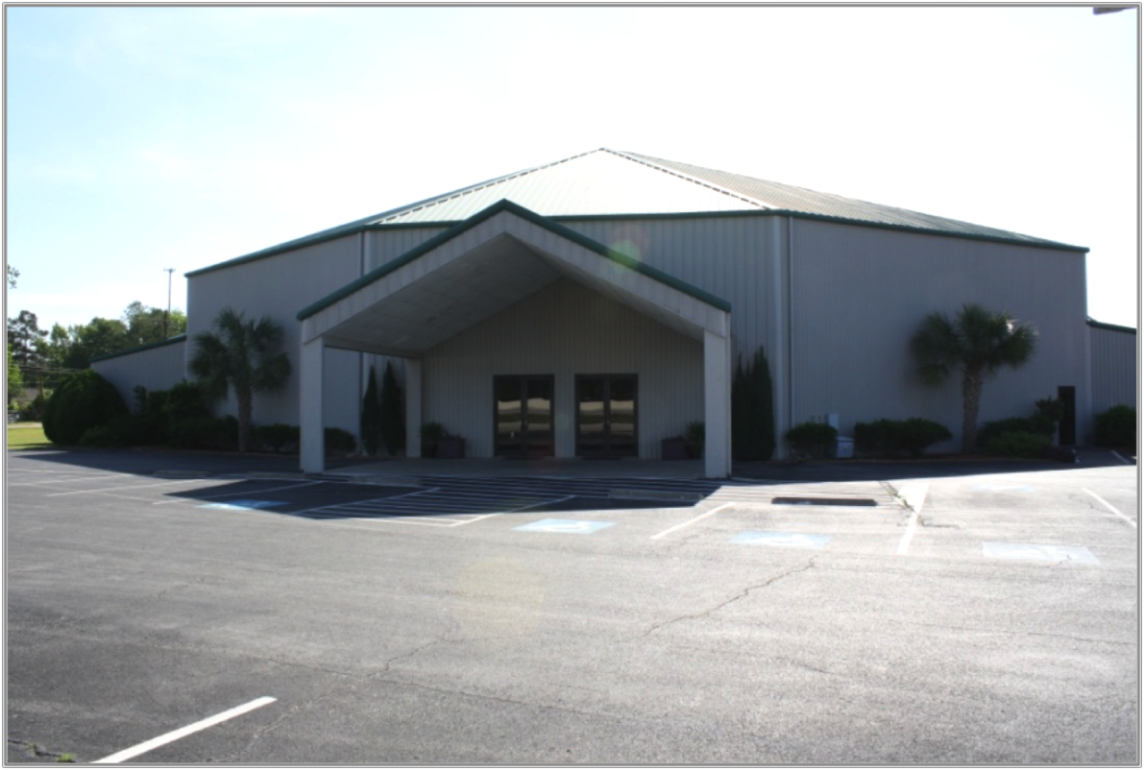
Clear-span sanctuary roofs in Raleigh's newer church construction are typically steel-framed with metal deck, while older congregations may have wood-framed or timber truss systems. Both substrate types can support high-performance single-ply membrane systems, but the fastening patterns, insulation methods, and flashing approaches differ significantly between them. A contractor who does not distinguish between the two is applying a generic specification that may not optimize for either condition. Pre-project assessment of the existing deck structure - including pull-out tests for mechanical fasteners - should be standard practice on any significant Raleigh church roofing project.
Capital campaign cycles among Raleigh's growing congregations often align with the fiscal year, with major fundraising concluding in the spring for budget adoption in summer. This timeline positions spring as the prime procurement window for a summer construction start, which is the preferred season for roofing in Raleigh despite the heat - summer's predictable afternoon thunderstorm pattern allows experienced crews to manage work around daily weather windows, while spring and fall shoulder seasons bring more unpredictable precipitation that can complicate scheduling.
Scheduling constraints for Raleigh's larger church campuses are often driven by the extraordinary volume of programming these congregations maintain. White Memorial and comparable churches may host preschool programs, elementary after-school care, Wednesday evening programs, multiple weekend services, and community events throughout the week. A roofing contractor who cannot demonstrate a track record of managing occupied-building church projects - with documented protocols for debris containment, temporary weather protection, and daily work area coordination - should not be considered for projects of this complexity.
Raleigh's position in the Research Triangle means many of its congregations have access to sophisticated legal, financial, and technical expertise within their membership. Church building committees in Raleigh often include architects, engineers, or construction professionals who are capable of reviewing roofing specifications at a technical level. Contractors who present thorough, clearly written specifications with manufacturer data sheets, test reports, and installation protocol documentation will fare better in this market than those who rely on relationship selling without technical substance.
Hurricane and tropical storm systems remain a realistic risk for Raleigh despite the city's inland location. Hurricane Floyd in 1999 and Hurricane Matthew in 2016 both produced catastrophic flooding and significant wind damage across the Triangle, and church buildings - with their large flat roof areas and complex parapet configurations - are particularly vulnerable to the sustained high winds of a passing tropical system. North Carolina Building Code wind-load requirements should be verified for each project, and attachment patterns that exceed minimums should be considered for any church whose replacement cost cannot be easily absorbed through insurance claims alone.
The Research Triangle's robust commercial construction market means that competition for skilled roofing labor is intense, particularly during the summer peak season. Raleigh churches planning a major roofing project should begin contractor outreach and competitive bidding no later than eight to twelve weeks before their desired project start date to ensure they are accessing the full competitive market rather than settling for whoever has availability. Early engagement also gives the selected contractor time to procure specified materials ahead of any supply chain delays that periodically affect single-ply membrane availability.
A well-executed church roofing project in Raleigh should conclude with a documented turnover package: the manufacturer's warranty registration, the contractor's workmanship warranty, as-built drawings reflecting any field modifications, maintenance protocol documentation, and a recommended inspection schedule. These documents are the congregation's protection and should be stored both in the church facilities files and in a digital format accessible to future building committees who may not have first-hand knowledge of the project.
- What roofing systems are most commonly specified for Raleigh church buildings?
- 60-mil TPO single-ply membrane systems dominate new installation and replacement work in Raleigh's commercial church market due to their balance of performance, reflectivity, and installed cost. Modified bitumen systems remain common on replacement projects where the existing substrate and drainage configuration favor a multi-layer approach. The right choice depends on the specific building conditions, and a qualified contractor will present options with comparative pricing rather than defaulting to a single system type.
- How do we prepare our church for hurricane season as it relates to the roof?
- Ensure all drains are clear and functioning at full capacity before the June 1 hurricane season onset. Have your contractor inspect flashing terminations, perimeter edge metal, and any rooftop equipment curbs annually. Maintain a documented emergency response contact with your roofing contractor for rapid response to any storm damage. Consider commissioning a formal post-storm inspection after any tropical system passes within 150 miles of Raleigh, even if no visible damage is apparent from ground level.
- Does Raleigh require special inspections for commercial roofing projects?
- North Carolina building code requires inspections at permit milestone stages for commercial roofing projects, and the City of Raleigh Development Services department manages the permit and inspection process. For larger projects, the code may require special inspection reports by a qualified inspector for insulation attachment and membrane fastening patterns. Your contractor should be familiar with all applicable inspection requirements and factor them into the project schedule.
- How can we control costs on a large Raleigh church roofing project?
- Competitive bidding with a detailed specification - not just a general description of the work - is the most reliable cost-control strategy. Value engineering options, such as evaluating whether existing insulation can be retained versus replaced, or whether a recover system over the existing membrane avoids tear-off costs, should be presented by bidders as alternatives rather than buried in the base bid. Long-term maintenance cost should be part of the total cost of ownership analysis, not just first-cost installation pricing.
- What should our church's facilities team do between major roofing projects?
- Bi-annual inspections - in the spring before hurricane season and in the fall after summer storm activity - are the baseline maintenance cadence for Raleigh church roofs. Inspections should check drain flow rates, seam integrity at all field and flashing laps, equipment curb conditions, and parapet cap integrity. Minor repairs identified during inspections cost a fraction of the emergency repair cost after a water intrusion event, and documented maintenance records support insurance claims and warranty claims if a significant failure occurs.
Frequently asked questions
Is built-up roofing still installed on new commercial buildings in Raleigh?
Rarely, and effectively not at all for new construction. The hot-mopping logistics, equipment requirements, and fume management make new BUR installation noncompetitive against TPO, modified bitumen, and EPDM for comparable service life. The entire BUR market in the Triangle is assessment, repair, and replacement of the existing inventory - primarily the 1960s through 1980s commercial building stock that predates the single-ply era.
How do I know if my Raleigh building's BUR system needs replacement versus repair?
Core pull data is the only honest answer. A BUR surface that looks marginal may have dry insulation and be a legitimate recover candidate. A surface that looks serviceable may have 40 percent saturation and need full replacement. Visual assessment of BUR by any contractor cannot substitute for core pulls. We pull cores, show you the data, and make a recommendation based on what we find - not based on the project size we want to close.
My building has had multiple BUR patches applied over the years. Does that affect the replacement decision?
Patch history often complicates the recover option more than it affects the replace decision. Repeated patches with incompatible materials - asphalt over coal tar, cold-process over hot BUR - create adhesion problems for any recover system. If the patch history is complex and the new system cannot achieve adequate adhesion to the existing substrate, full tear-off is the only path to a warranted installation. We document patch history during inspection and flag incompatibility risks before any recover scope is proposed.
Do you handle BUR replacement on large industrial buildings along the I-40 and US-1 corridors?
Yes. Large-footprint BUR replacement on industrial buildings in the southwest Wake County and Johnston County markets - buildings of 100,000 to 400,000 square feet - is a significant part of our work. These projects require detailed pre-construction staging plans, sequenced tear-off and daily dry-in to protect active operations below, and sometimes multi-season project scheduling for facilities that cannot absorb a full roof disruption in a single mobilization.