The Carolina Piedmont produces tornado outbreaks in the spring severe weather season. When a tornado or high-damage squall line affects Raleigh commercial buildings, structural evaluation and emergency dry-in are the immediate priorities - documentation for insurance follows from a stable structure.
Tornado events in the Triangle are less frequent than in the Southern Plains but are not rare. The April 2011 outbreak produced confirmed tornadoes in Wake and Lee Counties. Spring squall lines across the Piedmont regularly produce brief spin-up tornadoes in the EF0 to EF1 range that do not generate large media coverage but do produce significant localized damage to commercial buildings in their path. The distinction between tornado damage and extreme straight-line wind damage is often difficult to make from the roof surface alone - NOAA storm survey teams use post-event damage swath analysis and eyewitness reports to confirm tornado versus derecho, not the appearance of any individual damaged building.
For commercial building owners, that distinction matters for insurance purposes because some policies apply different deductibles or sub-limits to named wind events versus tornado. Knowing whether a NWS tornado confirmation exists for your area on the date of the event is the first step in any tornado damage insurance claim. We pull NWS storm reports as part of the assessment documentation and identify the relevant weather event designation for your claim.
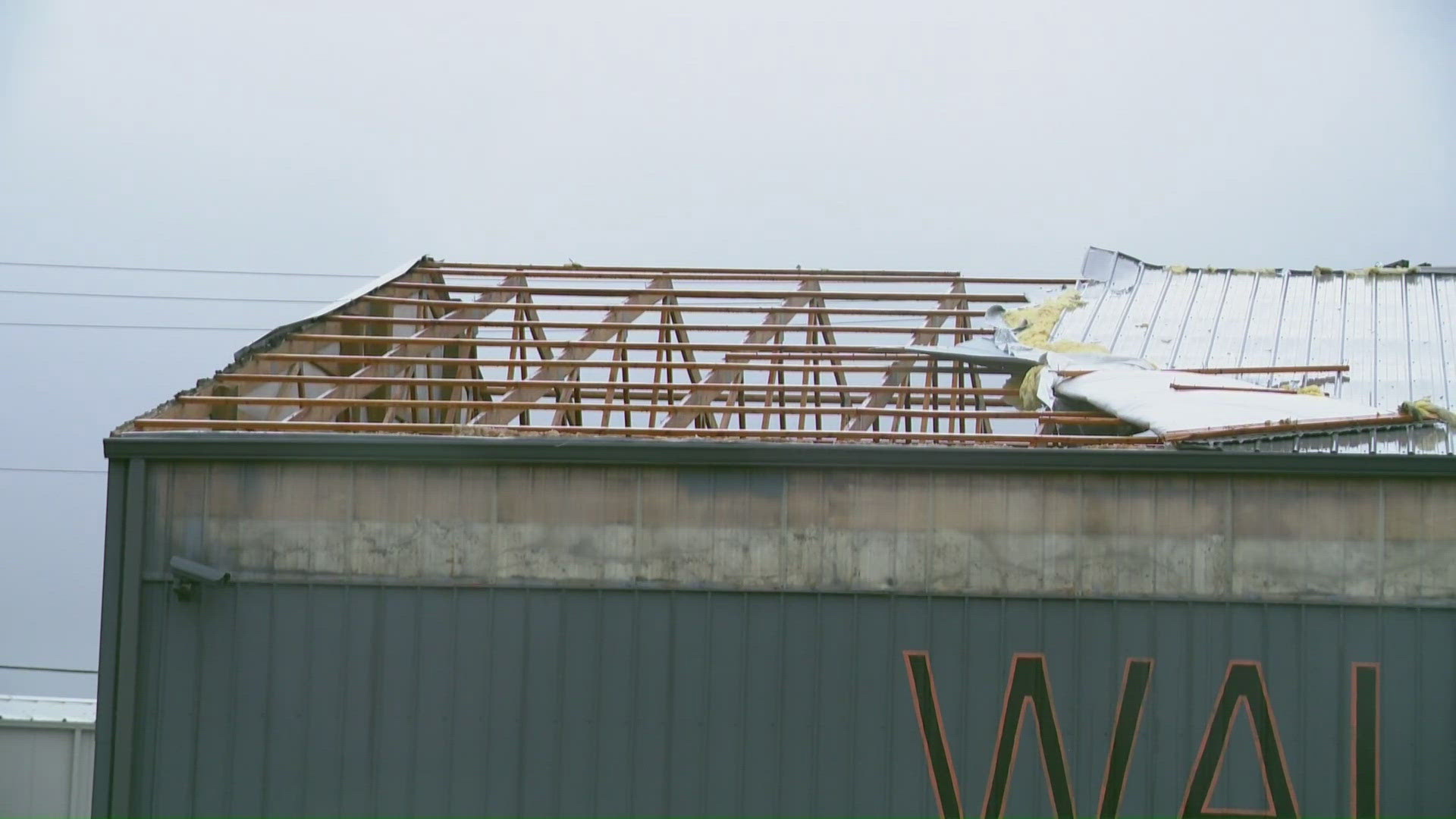
Tornado damage on commercial flat roofs is structurally more severe than standard wind damage. EF0 events produce the same parapet edge and coping failure pattern as extreme straight-line winds. EF1 and above events can displace roof decks, produce structural beam or purlin damage at connections, and - in extreme cases - remove entire roof sections. Structural evaluation by a licensed engineer is required for any building that experienced direct EF1-or-above contact. We coordinate structural engineering as part of the post-tornado assessment sequence and do not proceed with roofing repairs on structurally compromised buildings without a cleared structural report.
Structural Priority and Engineering Coordination
After a confirmed tornado contact event, the first assessment is structural, not roofing. We walk the building perimeter to identify visible structural distress - wall displacement, parapet lean, column settlement, masonry spalling at structural connections - before going on the roof. If we observe any of those indicators, we request a licensed structural engineer inspection before any rooftop work begins. Sending workers onto a roof that has potential structural compromise is not an option.
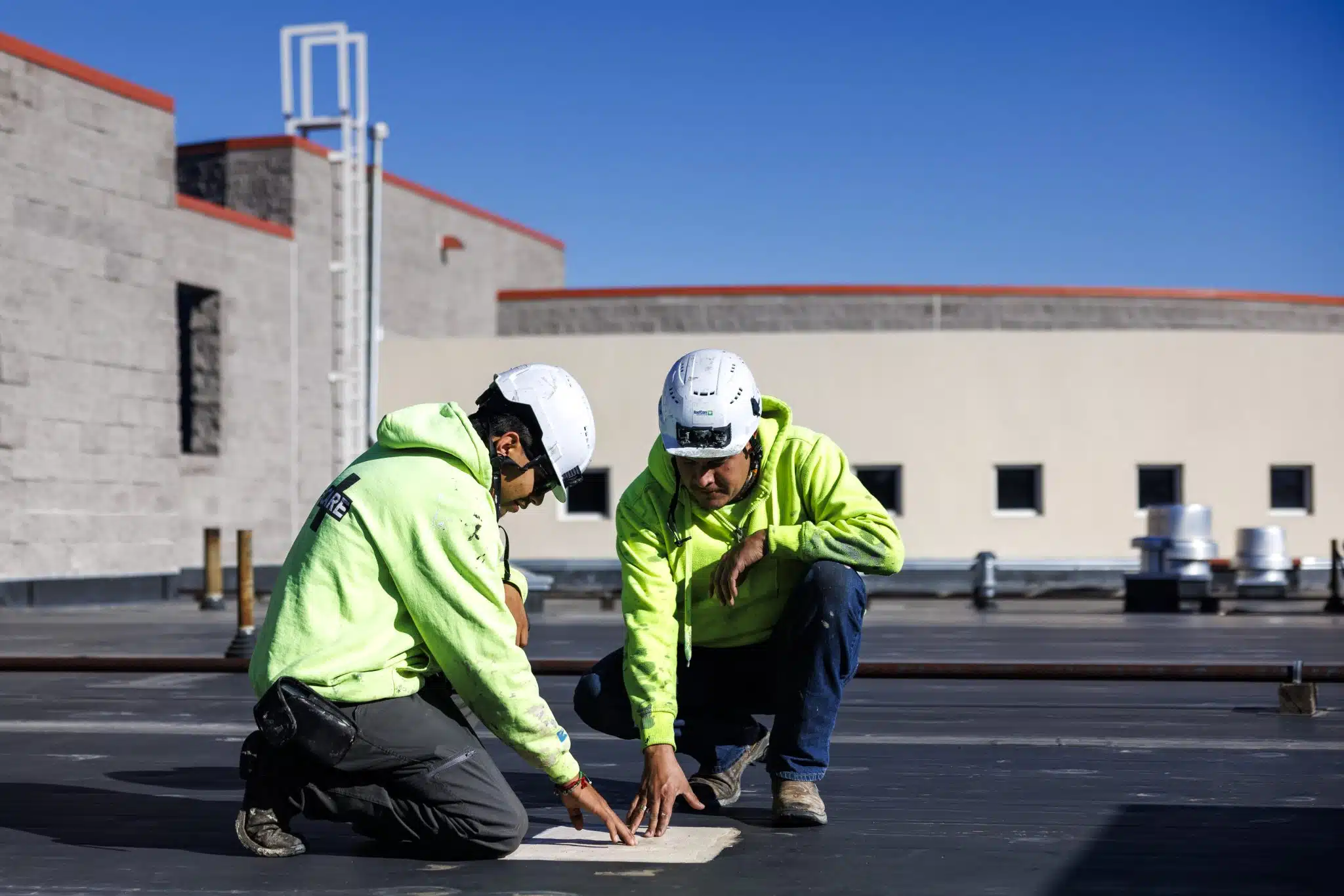
For EF0 events and squall-line events where structural distress is not indicated, we proceed with the standard roof assessment protocol: perimeter condition, deck condition assessment at exposed sections, membrane and flashing documentation, and HVAC equipment condition check. We document everything within the event window - within 24 hours if possible - to establish the condition immediately post-event before secondary weather events or informal prior repairs obscure the evidence.
When structural engineering is required, we coordinate the inspection through our network of Triangle-area licensed structural engineers and integrate the engineering report into the overall damage documentation package. The insurance claim package should include both the structural assessment and the roofing assessment - carriers typically require both for total-loss or near-total-loss commercial property claims in Wake County.
Emergency Dry-In After Tornado Events
Emergency dry-in after a tornado event in Raleigh is a multi-layer problem. If the roof membrane and deck are both displaced, temporary tarpaulins are insufficient - they cannot bridge the deck gaps created by structural displacement, and tarps placed on damaged deck can collapse under secondary rain loading. We use heavy-gauge temporary membrane with structural reinforcement at any deck breach larger than a few feet. Where deck is significantly displaced, emergency dry-in is limited to what is structurally stable enough to support workers and materials.
The sequence we follow: structural walk for worker safety, then emergency cover of any active water entry points using roof tarp or temporary membrane secured to intact structure, then detailed damage documentation walk, then written scope for permanent repair or replacement. We do not skip the documentation step to accelerate emergency work - the documentation is what makes the insurance settlement match the actual damage.
Post-tornado emergency dry-in in Downtown Raleigh or in dense commercial corridors like North Hills may require coordination with the City of Raleigh emergency management office if road closures or debris access issues affect mobilization. We have worked post-tornado events in the Triangle and carry the equipment and vehicle configurations to stage in constrained access environments.
Insurance Documentation for Tornado Claims
Tornado damage claims on commercial buildings are among the most scrutinized claim types. Insurance carriers perform their own inspections, and a claim that lacks professional documentation of the damage condition - what existed immediately after the event, before any remediation - is at a disadvantage in that inspection process. Our post-tornado documentation, delivered within the event window, establishes the factual baseline that the carrier's inspection then confirms rather than disputes.
The documentation package for a tornado claim includes: weather event designation and NWS confirmation of tornado in the affected area on the event date; photo-keyed zone diagram of all damage locations; structural engineer report if structural evaluation was required; written scope distinguishing pre-existing condition from event-related damage; repair or replacement scope with unit quantities; and emergency dry-in scope if emergency work was performed.
For commercial buildings in downtown Raleigh corridors or on large institutional campuses - NC State, Wake County government facilities on New Bern Avenue, or county-managed buildings near the Dorothea Dix campus - we understand that procurement requirements may affect how repair contracts are authorized. We accommodate those requirements and deliver the documentation package in whatever format the building owner's facilities management process requires.
Frequently asked questions
Do confirmed tornadoes trigger different insurance coverage than straight-line wind in North Carolina?
It depends on your policy language. Some commercial property policies treat wind, tornado, and named storm events under the same coverage section; others apply named-storm or tornado-specific deductibles. The NWS tornado confirmation on your event date can matter for deductible application. We pull the NWS storm report as part of the documentation package so your adjuster or public adjuster has the official event classification in hand.
What is the response time for emergency dry-in after a tornado event in Wake County?
For buildings within the I-440 Beltline, we target mobilization within two to four hours of being cleared to access the building. For outer Wake County locations - Garner, Knightdale, Fuquay-Varina - add 30 to 60 minutes. Call 919-372-4890 directly for post-tornado emergency response; do not rely on the website contact form for emergency mobilization.
My building took a glancing EF0 hit - is a structural engineer inspection required?
Not automatically, but it depends on what the initial perimeter walk shows. If we observe any wall movement, parapet lean, or visible deck displacement, we stop and call for structural engineering before proceeding. For buildings where the perimeter walk shows only roofing and cladding damage without structural distress indicators, we proceed with the standard assessment. We make that call on-site, not remotely.