Commercial roof structural failures in Raleigh - deck corrosion, insulation compression, fastener pull-through, and ponding-load deflection - often develop slowly and without visible interior signals until the failure is advanced. We assess structural condition, document the findings, and scope the remediation.
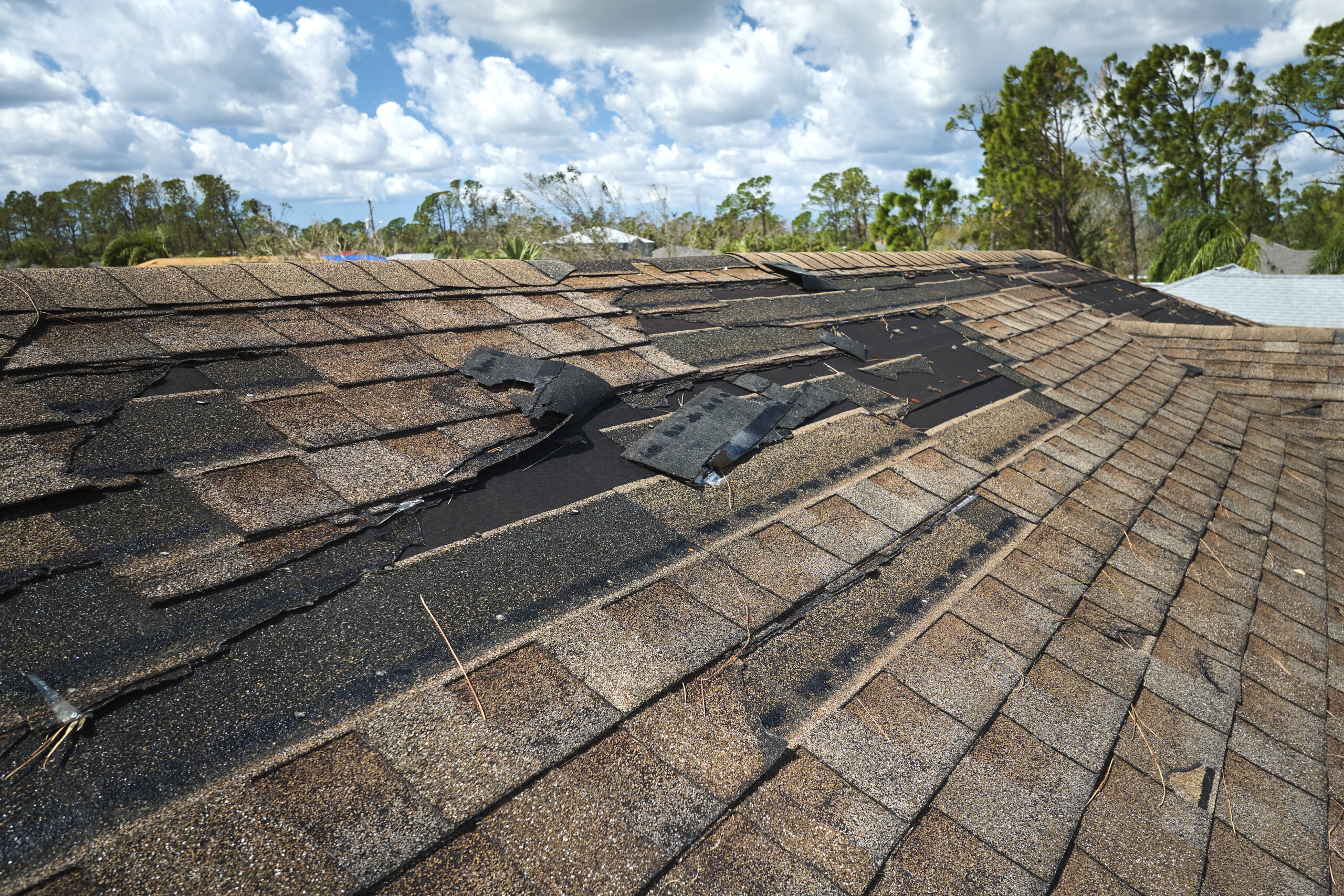
Structural roof damage on a commercial building is not always associated with a specific weather event. The most common structural failures we document on Raleigh commercial flat roofs are the result of years of accumulated load, deferred maintenance, and drainage conditions that were never adequate for the building's actual climate exposure. Metal deck corrosion on buildings with chronic ponding history; fastener pull-through on mechanically attached membrane systems on buildings near RDU Airport or along the western Wake County terrain break; insulation compression in drainage low areas from repeated ice accumulation after the 2002, 2014, and 2022 ice storm cycles - these are structural conditions that develop gradually and become visible only when they are advanced enough to affect membrane performance.
The structural assessment we provide is a roofing contractor's assessment, not a licensed structural engineering report. We evaluate deck condition, fastener pattern and pull resistance, insulation condition, and drainage-driven load conditions. When our assessment identifies conditions that require structural engineering input - visible deck deflection, suspected fastener pull-through at the pattern boundary, structural member distress at rooftop equipment connections - we say so in writing and recommend a licensed structural engineer inspection before proceeding with any roofing scope.
The audience for a structural roof damage assessment is typically commercial property owners preparing for a capital decision, institutional facilities managers at NC State Centennial Campus or Wake County government buildings conducting portfolio condition reviews, or commercial real estate buyers conducting due diligence on Raleigh commercial buildings before acquisition.
Deck Condition and Corrosion Assessment
Metal deck corrosion is the structural condition we document most frequently on older Raleigh commercial flat roofs. Steel deck on buildings from the 1970s through 1990s that have experienced chronic ponding - water sitting on the surface or migrating through the insulation assembly to the deck surface - develops rust scale and section loss that reduces the deck's load capacity and its capacity to hold mechanical fasteners. Deck corrosion is not visible from above or below without pulling insulation or deck inspection ports. A membrane that looks intact on the surface can be concealing a deck that is structurally compromised.
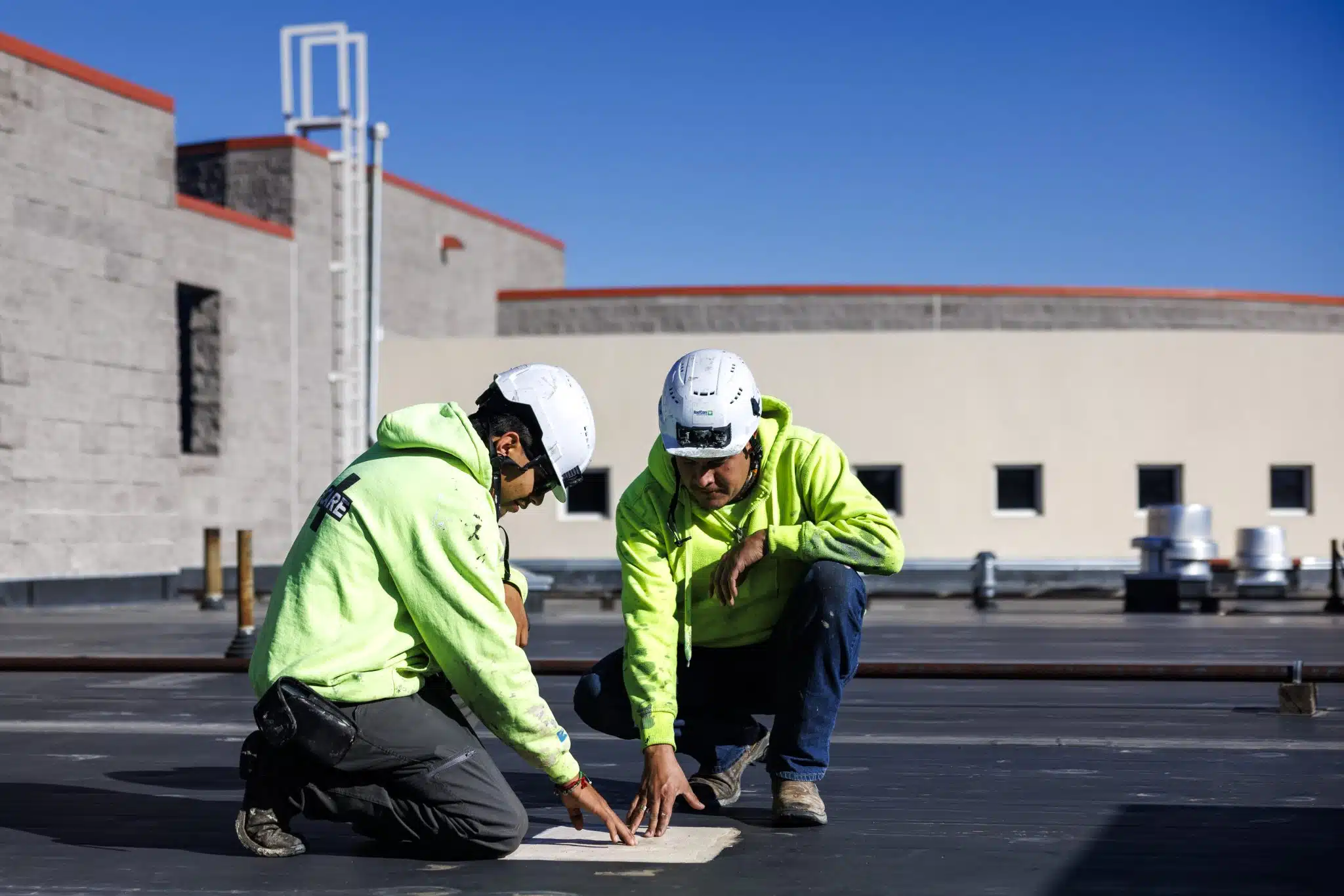
We pull deck inspection ports - three-inch diameter cuts through the insulation and membrane at representative low-area locations - to visually inspect deck condition. Rust scale, coating loss, and deck flute distortion are documented photographically. Where section loss is suspected, we recommend a structural engineer evaluate the specific area before proceeding with any overlying scope work. For buildings on Research Triangle Park campuses or at NC State where the facilities team has strict structural documentation requirements, we provide the inspection port documentation in the format required by the facilities system.
Buildings in the Downtown Raleigh core that were constructed in the 1970s and 1980s - a significant portion of the Fayetteville Street corridor's mid-rise office buildings - frequently have roofing assemblies that have been recovered multiple times without deck inspection between covers. Each recover cycle adds weight to the structure and potentially seals wet insulation against the deck without anyone confirming deck condition. We identify these multi-layered assemblies in our assessment and flag deck access as a required step before any additional recover scope.
Fastener Pull-Through and Wind Uplift Assessment
Mechanically attached commercial roof systems depend on the fastener's engagement with the deck to resist wind uplift. Fastener pull-through - where thermal cycling and repeated uplift loading causes the fastener head to gradually enlarge the hole in the membrane plate, reducing pull-out resistance - is a progressive failure mode that develops over years on buildings where fastener pattern was at the minimum code requirement and the building's actual wind exposure is at the higher end of its design category.
Buildings near RDU Airport, in open terrain along the I-40 western corridor, and at the outer edges of the I-540 loop - where terrain provides less shielding than the urban core - are at higher risk for fastener pull-through than buildings in sheltered Downtown or North Hills locations. We identify buildings in these terrain conditions in our structural assessment and recommend pull testing at representative locations. A calibrated pull tester measures actual fastener resistance against the design requirement - any fastener that falls below 80% of design pull resistance is flagged as a replacement item.
For buildings being assessed for insurance claim purposes or for pre-acquisition due diligence on a Raleigh commercial property, documented fastener pull testing results are a meaningful piece of the overall structural assessment. They demonstrate whether the building's attachment system was adequate at the time of installation and whether it remains adequate under current IBC requirements as those requirements have been updated.
Load Analysis and Capital Planning Implications
A structural roof damage assessment concludes with a capital implications summary that translates the technical findings into asset management terms. Deck sections with confirmed corrosion and section loss are quantified - square footage, location on zone diagram, estimated replacement cost. Fastener pattern deficiencies are quantified and the cost of pattern enhancement is estimated. Insulation compression zones are mapped against the moisture survey results. The summary gives the building owner a ranked list of structural conditions, their severity, and the capital cost to address each.
For institutional portfolio owners - Wake County government facilities managed through the county's asset management division, NC State facilities through the university's capital planning office, or REIT portfolio owners managing multiple Raleigh Class A buildings - this kind of quantified structural assessment is the input to multi-year capital planning. It is not a sales document; it is the technical data that feeds a capital budget.
Where our structural assessment identifies conditions that require licensed structural engineering input - deck deflection, suspected beam or purlin distress, column connection concerns at rooftop equipment mounts - we include a written recommendation for structural engineering review as part of the assessment deliverable, with the specific locations identified by zone. We do not proceed with roofing scope on structurally uncertain areas without that engineering clearance.
Frequently asked questions
Do you provide structural engineering reports as part of your roof assessment in Raleigh?
No - we are a roofing contractor, not a licensed structural engineering firm. Our structural assessment addresses roofing-specific structural elements: deck condition, fastener engagement, insulation compression, drainage load. Where our assessment identifies conditions that require a licensed structural engineer's evaluation, we document those conditions and recommend engineering review. We can coordinate the referral to licensed structural engineers in the Triangle who specialize in commercial building enclosure systems.
How long does a structural roof damage assessment take on a typical Raleigh commercial building?
For a 30,000 to 50,000 square foot single-story commercial building in the North Hills or Downtown corridors: one day of field work for the roof walk, deck ports, and fastener testing, followed by two to three days of report preparation. Larger buildings - 100,000 square feet or multi-building campus assessments - are scoped by building with individual schedules. Moisture survey IR scanning adds a separate evening session, because the IR scan must be conducted at dusk on a dry-weather day.
Can a structural roof assessment be used for commercial real estate due diligence in Raleigh?
Yes. We have delivered structural roof assessments as part of the due diligence package on commercial real estate acquisitions in Wake County and across the Triangle. The assessment format - zone diagram, photo-keyed findings, quantified scope and cost estimates - is structured to inform an acquisition decision. Buyers' counsel and acquisition teams have used our reports directly in negotiation. If you are acquiring a commercial property in the Raleigh area and want a documented roof condition assessment as part of due diligence, call us with the property address and timeline.